
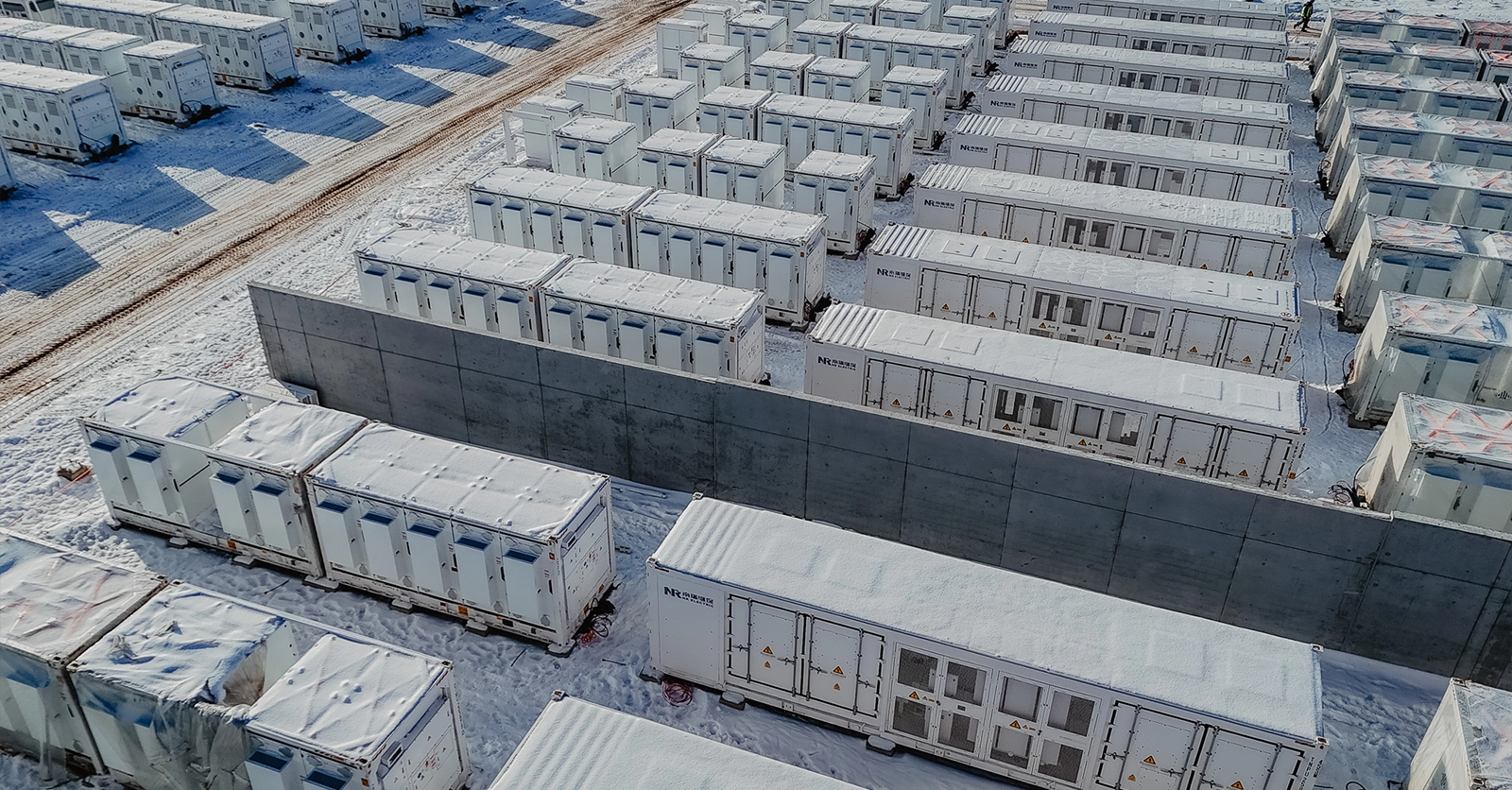

The European energy sector is entering a phase of profound transformation. The dynamic development of renewable energy sources, the growing electrification of transport and industry, and the expansion of digital infrastructure are causing significant changes in the functioning of electricity systems.
In this context, energy storage is becoming one of the key elements of energy infrastructure. BESS technologies are no longer merely a solution supporting the integration of renewable energy sources, but are beginning to play the role of assets that provide system flexibility, grid stability and new market opportunities.
According to the International Energy Agency (IEA), in 2025, 108 GW of new battery storage capacity was deployed worldwide, 40% more than in 2024. Europe is among the fastest-growing markets, mainly due to the increasing share of renewable energy sources and the growing demand for system flexibility.
New application areas for energy storage
In the early stage of market development, many energy storage projects were created thanks to public support schemes such as capacity market mechanisms or innovation funds. Currently, however, projects operating under commercial models are becoming increasingly important.
The growing share of renewable energy sources leads to greater volatility in electricity prices, which creates new opportunities for revenue generation by energy storage installations. According to the European Commission, the need for flexibility in the EU electricity system may more than double by 2030.
In practice, this means the development of new applications for BESS technologies, the most important of which include:
• co-location of energy storage with wind and photovoltaic farms, so-called hybrid projects
• standalone projects operating under the merchant model
• industrial behind-the-meter installations
• integration with digital infrastructure, including data centres
The data centre segment is becoming one of the most important drivers of growth in electricity demand. According to the European Commission, electricity consumption by data centres in the EU may exceed 150 TWh annually by 2030.

The role of energy storage in data centres
Energy storage enables such facilities to:
• manage peak demand
• reduce grid congestion
• provide backup power supply
• participate in ancillary services markets
Growing importance of system services and grid forming technology
The energy transition is leading to the gradual phase-out of conventional power plants, which historically ensured the stability of electricity system operation. In systems with a high share of renewable energy sources, the importance of technologies capable of maintaining voltage and frequency stability is increasing. Energy storage systems are increasingly offering advanced functions that stabilise the system.
Grid forming systems can:
• provide synthetic system inertia
• stabilise voltage in weak grids
• enable system restart after outages
• increase the resilience of the electricity system
According to ENTSO-E analyses, the development of grid forming technologies are crucial for the stability of European electricity systems under conditions of high renewable energy penetration.
Extended battery lifetime
One of the key factors influencing the economics of energy storage projects is battery durability. Technological progress in cell chemistry and battery management systems has significantly extended their operational lifetime. Modern lithium-ion systems, particularly those based on LFP (lithium iron phosphate) technology, can achieve more than 8,000–10,000 charge cycles and operate for up to 20–25 years, while advanced monitoring systems allow their operation to be optimised and degradation processes to be controlled over time. According to IRENA, the cost of energy storage has fallen by more than 80 percent over the past decade, which significantly improves the economic viability of investments in BESS systems.
Higher energy density and system modularity
Technological progress makes it possible to install increasingly larger energy capacity within a smaller physical footprint.
This is particularly important in Europe, where land availability and administrative procedures may constitute significant constraints for new investments.
Modern modular systems offer:
• higher energy density
• reduced land requirements
• shorter project implementation time
• flexible project scalability
Dominance of lithium-ion technology
Despite growing interest in sodium batteries, lithium-ion technology remains the most developed and most widely used solution for utility-scale energy storage. Its strong market position results from several factors, primarily higher energy density, well-developed global supply chains and many years of operational experience in the implementation of large-scale projects. An important element is also the existence of well-developed safety standards and certification procedures that support the safe deployment of lithium-ion systems in grid applications. As a result, lithium-ion technology will most likely remain the dominant solution in the European energy storage market in the coming years.
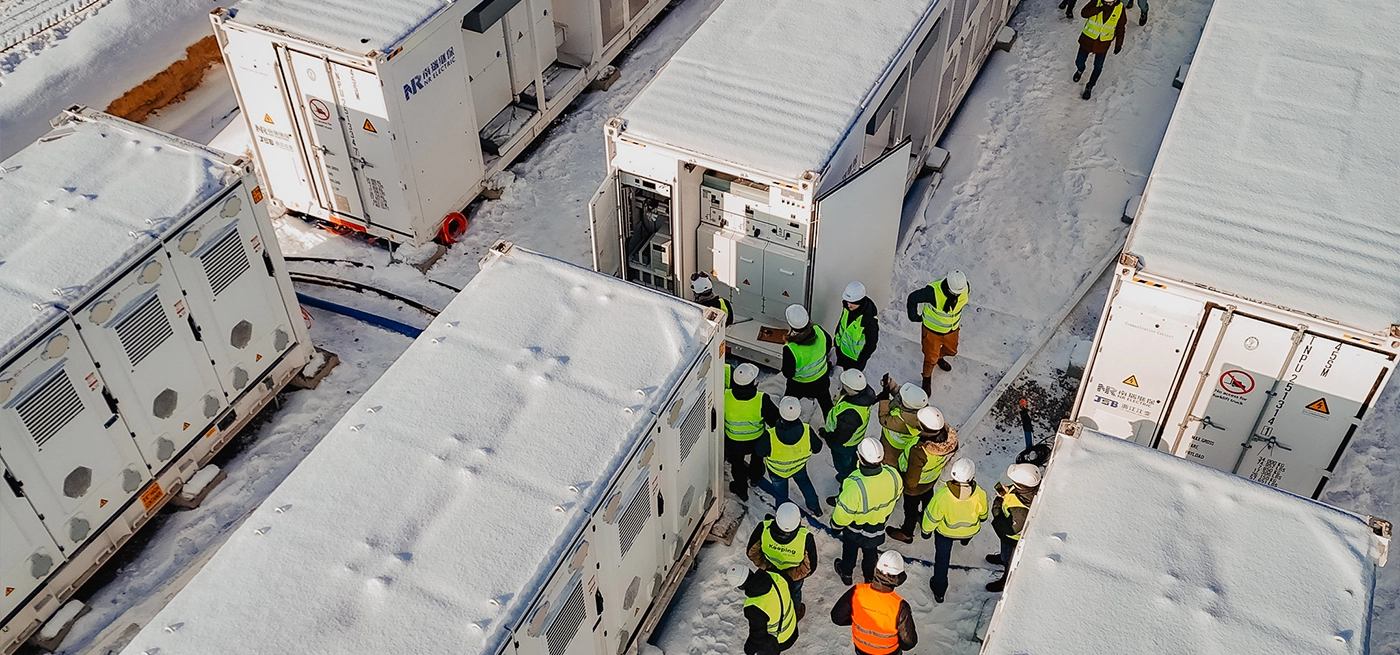
European regulations and the digital battery passport
The dynamic development of the energy storage market is associated with a growing number of regulations at the European Union level.
The new battery regulation introduces, among others:
• a digital battery passport
• carbon footprint reporting
• minimum recycled material content
• extended producer responsibility for battery recycling
Challenges for the market
Despite the growing importance and opportunities of energy storage, the sector faces a number of challenges.
The most important of these include:
• grid connection constraints in many European countries
• revenue volatility in electricity markets
• growing competition in the BESS sector
• complex administrative procedures
• risks in global supply chains
Energy storage: opportunities and challenges for the energy transition in Europe
Technological progress, evolving market mechanisms and new regulations mean that the scope of energy storage: opportunities and challenges will continue to expand in the coming years. Energy storage plays a key role in integrating renewable energy sources, increasing the stability of electricity grids and ensuring greater flexibility in system operation. The importance of these technologies will grow alongside the increasing share of variable renewable sources in the energy mix.
At Greenvolt Power, teams of experts continuously analyse the development of energy storage technologies, regulatory changes and the evolution of energy markets across Europe. By combining experience in renewable energy project development with expertise in energy storage, Greenvolt develops utility-scale BESS projects that support electricity system stability and the integration of renewable energy in Europe’s energy transition.

